
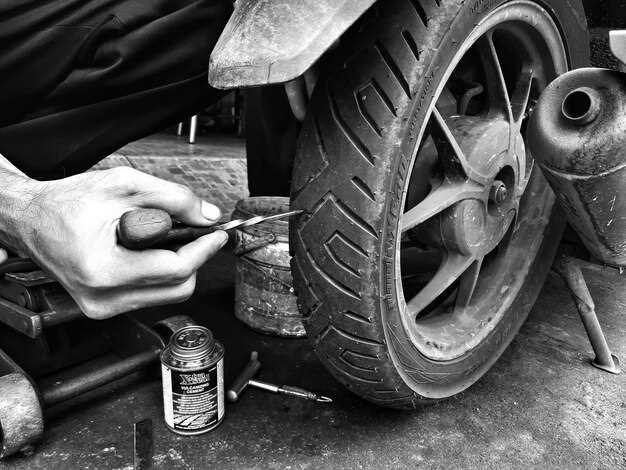
Experiencing a flat tire while riding your motorcycle can be a frustrating and potentially dangerous situation. Understanding how to address this issue is essential for any motorcyclist. Whether you’re on a long journey or simply commuting, knowing the steps to repair a flat motorcycle tire will keep you safe and help you get back on the road quickly.
The first thing to remember is that timely action is crucial. A flat tire compromises not only your bike’s performance but also your stability and control. In this guide, we will explore the necessary tools, techniques, and safety precautions needed to effectively repair your tire, ensuring you can ride with confidence once again.
Repairing a flat tire involves a few straightforward steps, including identifying the cause of the flat, safely removing the tire, and applying the appropriate repair method. With the right approach and a little determination, you will find that dealing with a flat motorcycle tire is manageable and can be accomplished with minimal hassle.
Identifying the Cause of the Flat Tire
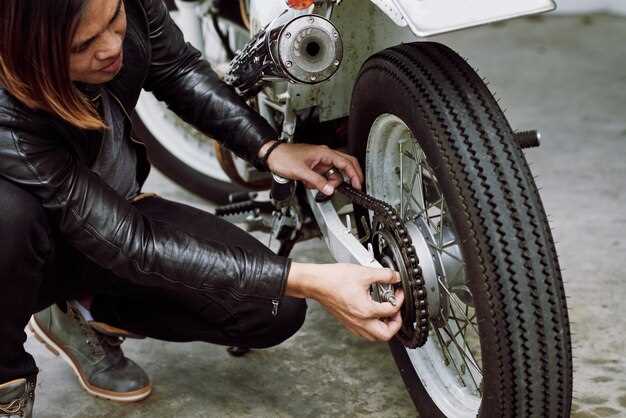
When you encounter a flat motorcycle tire, the first step is to determine the cause of the flat. Ignoring or misdiagnosing the issue can lead to repeated repairs or unsafe riding conditions. Start by visually inspecting the tire for any obvious punctures, cuts, or abrasions. A thorough examination will often reveal small nails, screws, or other debris embedded in the rubber.
Next, check the tire pressure. Insufficient air pressure can lead to a flat condition. Use a reliable pressure gauge to assess the current state. If the tire is significantly underinflated without visible damage, the cause may simply be a slow leak or air loss over time. It’s advisable to inflate it to the manufacturer’s recommended pressure to see if it holds air.
If signs of damage are present, you may have to explore further. Inspect the valve stem for leaks, as a compromised valve can also result in air loss. Another potential cause could be a bead leak, where the tire meets the rim, especially if the wheel has been repaired or is rusted.
After identifying the obvious issues, it’s essential to diagnose the type of repair needed. A simple puncture may be fixable with a plug or patch, whereas tears or significant damage might necessitate a tire replacement. Understanding the root cause is crucial for executing an effective repair and ensuring your motorcycle is safe for the road.
Step-by-Step Instructions for Repairing the Tire
Repairing a flat motorcycle tire can be a straightforward process if you follow the correct steps. Below are detailed instructions to guide you through the repair procedure.
- Gather Necessary Tools and Materials:
- Tire repair kit (includes plugs, reaming tool, needle tool)
- Air compressor or manual pump
- Soapy water solution
- Protective gloves
- Tire lever (if necessary)
- Remove the Tire:
First, safely elevate the motorcycle using a stand. Remove the wheel with the flat tire by loosening the axle nut and sliding the wheel off the motorcycle.
- Inspect the Tire:
Examine the tire for visible damage, such as cuts or punctures. If the damage is severe, consider replacement. For minor punctures, proceed with the repair.
- Locate the Leak:
To find the exact location of the hole, apply the soapy water solution to the tire. Look for bubbles forming which indicate escaping air.
- Prepare the Puncture:
Use the reaming tool from your repair kit to clean and slightly enlarge the puncture. This will help the plug fit snugly.
- Insert the Plug:
Take a plug from the repair kit and thread it through the needle tool. Insert the tool into the puncture and push it until approximately half of the plug is inside the tire.
- Remove the Needle Tool:
Carefully pull the needle tool out, leaving the plug securely in the puncture. The plug should fit tightly to seal the hole.
- Trim Excess Plug:
Use a pair of scissors to trim any excess plug material sticking out of the tire surface to ensure a smooth finish.
- Inflate the Tire:
Using your air compressor or manual pump, inflate the tire to the recommended pressure. Make sure to check for any air leaks again using the soapy water solution.
- Reinstall the Tire:
Once the tire is properly inflated and leak-free, reinstall it on the motorcycle by sliding it back onto the axle and tightening the axle nut securely.
- Perform a Final Check:
After the tire is mounted back onto the motorcycle, perform a final inspection for any leaks and ensure that everything is functioning correctly before riding.
By following these steps carefully, you can effectively repair a flat tire and get back on the road safely.
Tools and Materials Needed for Tire Repair
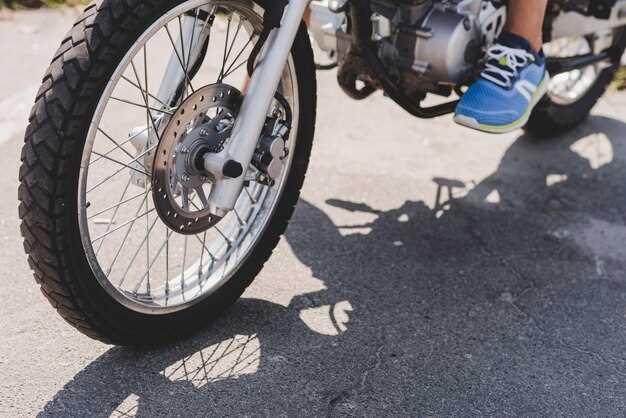
Repairing a flat motorcycle tire requires specific tools and materials to ensure the process is effective and safe. Below is a detailed list of what you will need.
1. Tire Repair Kit: A comprehensive tire repair kit typically includes tire plugs, a rasp tool, and an insertion tool. Tire plugs are essential for sealing punctures in tubeless tires, while the rasp tool prepares the puncture for the plug.
2. Air Pump or Compressor: Once the tire is repaired, it will need to be reinflated. A portable air pump or compressor is crucial for this purpose, ensuring the tire reaches the proper pressure.
3. Tire Lever: Tire levers assist in removing the tire from the wheel rim, making it easier to access the damaged area. This tool is especially useful if the repair involves replacing the inner tube.
4. Tire Sealant: In some cases, applying a tire sealant can help manage small punctures. This material fills gaps and prevents air loss, providing a temporary solution until a more permanent repair can be made.
5. Safety Gear: Safety glasses and gloves should be worn during the repair process. These items protect against debris and chemicals that may be present in the tire or repair materials.
6. Patch Kit (if applicable): For tires with tubes, a patch kit is necessary to cover larger punctures. This kit usually contains patches, adhesive, and a roughing tool to prepare the surface of the tube.
Having the right tools and materials on hand is critical to successfully repair a flat tire. Ensure all items are in good condition before starting the repair process to guarantee safety and effectiveness.